Why check-up packages look so different
One of the first things international visitors notice is that medical check-up packages can vary from a short list of routine tests to a much broader programme involving several consultations, imaging studies and specialist assessments. This does not necessarily mean one package is “good” and another is “bad”. They may simply be designed for different people and different purposes.
Common variations exist for men and women, people under or over a certain age, children, executives and people seeking a more detailed cardiovascular or specialist-focused assessment. The package structure may also change according to the healthcare provider and the individual’s medical background.
1. Medical history and physician assessment
A meaningful check-up begins with context. A clinician needs to understand the person behind the test results. Relevant information may include current symptoms, previous diagnoses, surgeries, medicines, allergies, smoking and alcohol history, family history, sleep, activity levels and previous screening results.
The physician assessment may identify issues that make a standard package unsuitable. For example, a person reporting chest discomfort, unexplained weight loss or persistent neurological symptoms may need diagnostic evaluation rather than routine screening. The purpose of the first assessment is therefore not just to “start the package”, but to decide whether the planned screening makes clinical sense.
2. Laboratory testing
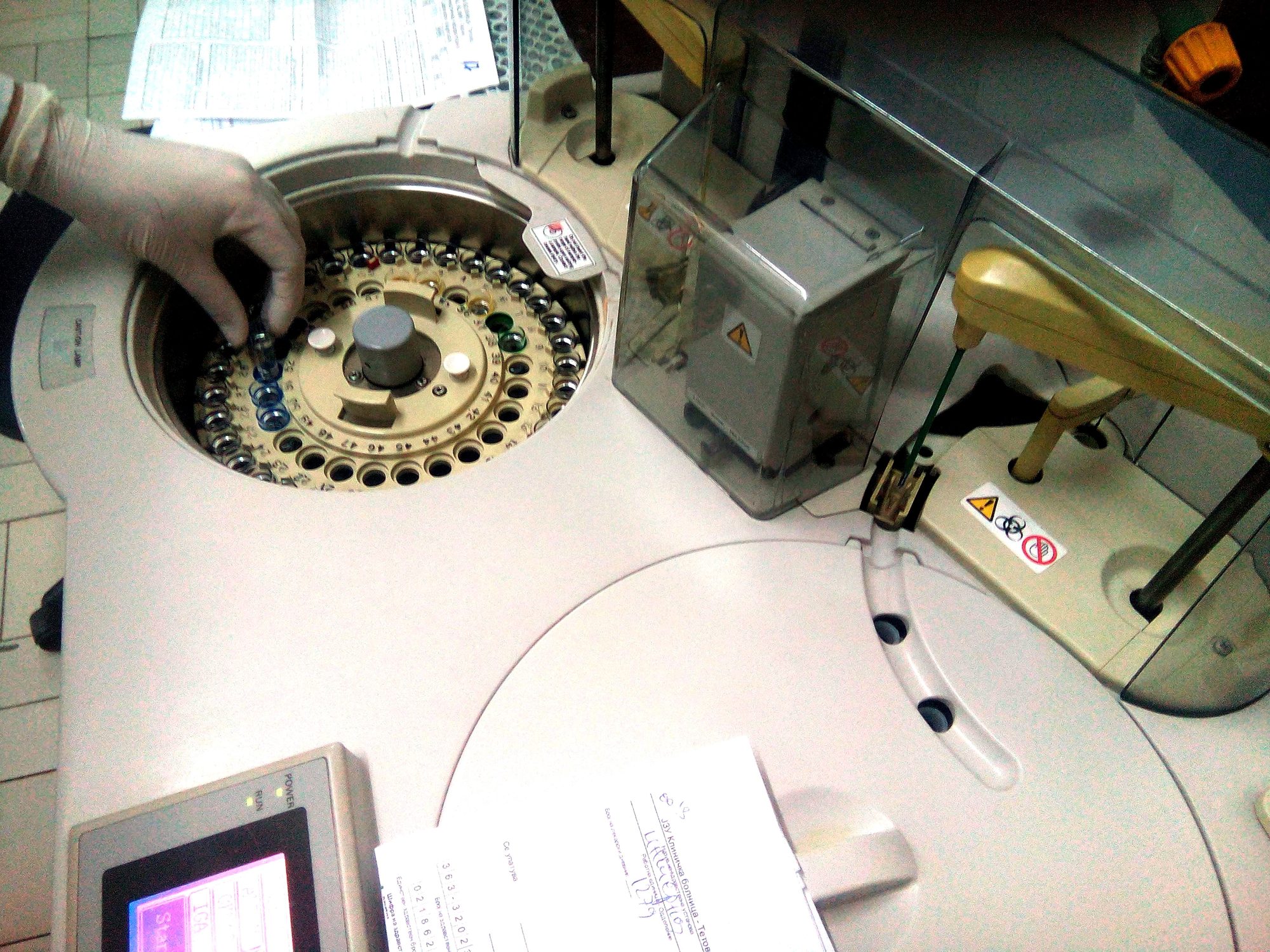
Many check-up programmes include laboratory tests. Common categories can include a complete blood count, blood glucose markers, kidney and liver-related measurements, cholesterol and triglycerides, thyroid-related tests, iron-related measurements, urinalysis and selected vitamin levels. Some programmes also contain additional markers or tests based on age, sex or clinical context.
Laboratory results should not be interpreted in isolation. Reference ranges can vary, a single abnormal value does not always represent disease, and some results can be affected by fasting status, medication, recent illness, exercise or dehydration. The clinician reviewing the programme should decide what requires follow-up.
3. Cardiovascular assessment
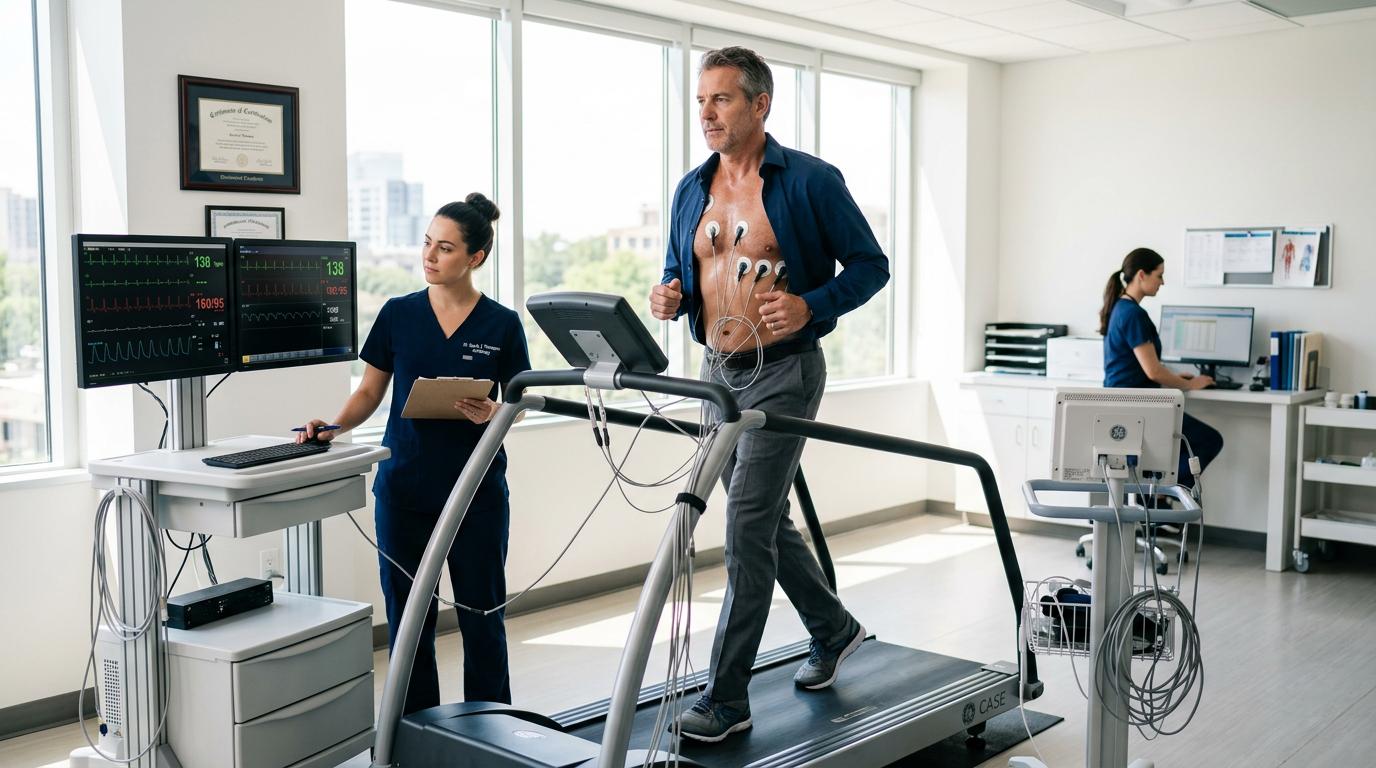
Some programmes include cardiovascular components such as an electrocardiogram (ECG), echocardiography or an exercise-based cardiac test. These tests answer different questions and are not automatically necessary for every healthy person.
Cardiovascular screening should be matched to age, symptoms and risk factors. A person with known heart disease, chest pain, breathlessness or a strong risk profile may need a dedicated cardiology assessment rather than a routine check-up. Conversely, performing complex cardiac testing in a low-risk person without clinical indication may not add useful information.
4. Imaging and radiology
Ultrasound and other imaging may be included in some packages, such as abdominal or thyroid ultrasound, chest imaging, breast imaging and, in more advanced packages, additional radiological investigations.
Imaging deserves particular care because not every test is appropriate as a screening tool for every person. Some imaging involves radiation exposure, and the usefulness of a test depends on the clinical question. A package should therefore never replace professional judgement.
5. Women’s and men’s health components
Age- and sex-specific programmes may include consultations or tests focused on reproductive health, breast health, gynaecology or urology. The exact content should reflect age, medical history and evidence-based screening guidance.
For example, breast cancer screening recommendations depend on age and risk, while cervical screening schedules depend on age and previous results. Men may require prostate-related assessment depending on age, risk and clinical discussion. These are areas where individual decision-making is more appropriate than automatically applying the same test list to everyone.
6. Age-specific and paediatric check-ups
Children are not simply “small adults”, and paediatric preventive care should be designed separately. The appropriate evaluation for a child depends on age, growth, development, vaccination history, symptoms and previous health concerns.
Older adults may also require a different approach. Screening priorities can change with age, existing illness, functional status and previous test history. This is why age labels on packages can be helpful, but they should still be treated as a starting point rather than a substitute for clinical review.
7. Specialist-focused programmes
Not every visitor wants a broad general screening. Some people are more concerned about a particular system, such as cardiovascular, neurological or gastrointestinal health. Focused programmes can make sense when there is a clear reason for that emphasis.
However, a person with active symptoms should tell the coordination team before booking. A focused diagnostic pathway may be needed instead of a screening package. The distinction matters because the objectives, tests and urgency can be very different.
8. Results consultation and the follow-up plan
The final consultation is one of the most important parts of a check-up. A page of laboratory values is not the same as a medical conclusion. Visitors should receive an explanation of significant findings, understand whether further testing is recommended and know which results should be shared with their regular healthcare provider at home.
If follow-up is required after the traveller returns home, the medical records should be easy to transfer. Ask for copies of reports, imaging results and relevant clinical notes before leaving Türkiye.
How to compare two check-up packages intelligently
Do not compare packages only by the number of tests or the price. Ask what the programme is designed to achieve, who it is intended for, whether a physician reviews the plan before testing, how results are explained, how long the programme takes and what happens if additional assessment is required.
A good check-up should create clarity. It should not create anxiety through unnecessary testing or leave the patient with unexplained abnormal results. The right package is the one that fits the individual and includes a clear clinical interpretation.
Medical information notice
This article is for general information and does not replace individual medical advice, diagnosis or treatment. Medical decisions should be made by appropriately qualified healthcare professionals after reviewing the individual patient.
Your next step
If you are unsure which type of check-up is appropriate, send Turquaz Health your age, travel dates and a brief health summary. The team can coordinate suitable options for discussion with the relevant healthcare providers.
Get a free consultationEditorial references
- U.S. Preventive Services Task Force (USPSTF) — current recommendation topics and preventive screening guidance.