Start with the diagnosis, not the destination
When people first consider travelling abroad for cancer care, it is tempting to begin by comparing countries, hospitals or prices. Clinically, the more important starting point is the diagnosis itself. Cancer is not one disease, and treatment decisions depend on the cancer type, its stage, pathology, molecular features where relevant, the patient's overall health and any treatment already received.
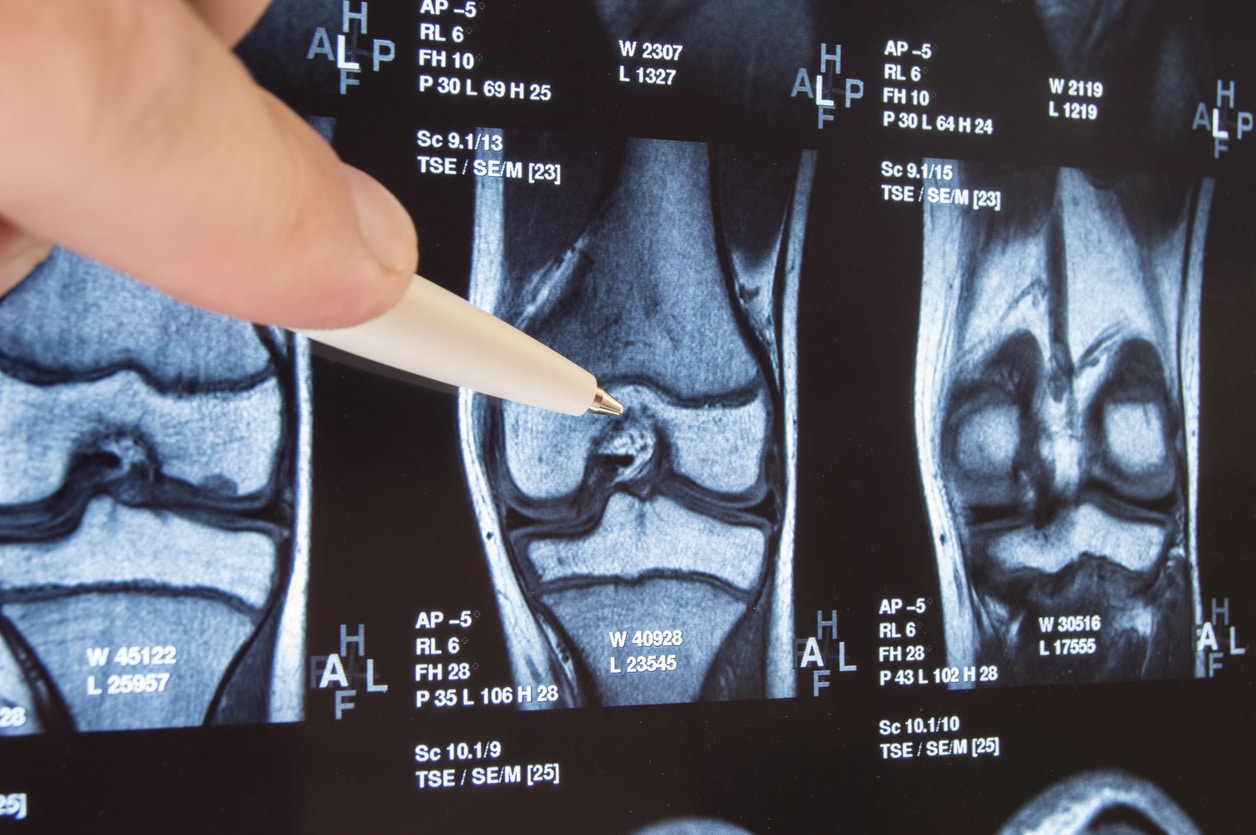
Before asking for a treatment proposal, collect the documents that explain how the diagnosis was reached. These may include pathology reports, biopsy results, imaging reports and image files, operative notes, laboratory results, discharge summaries and previous treatment records. If a pathology specimen or imaging study needs to be reviewed again, the receiving medical team may request slides, blocks or original digital images rather than only written reports.
Why multidisciplinary planning matters
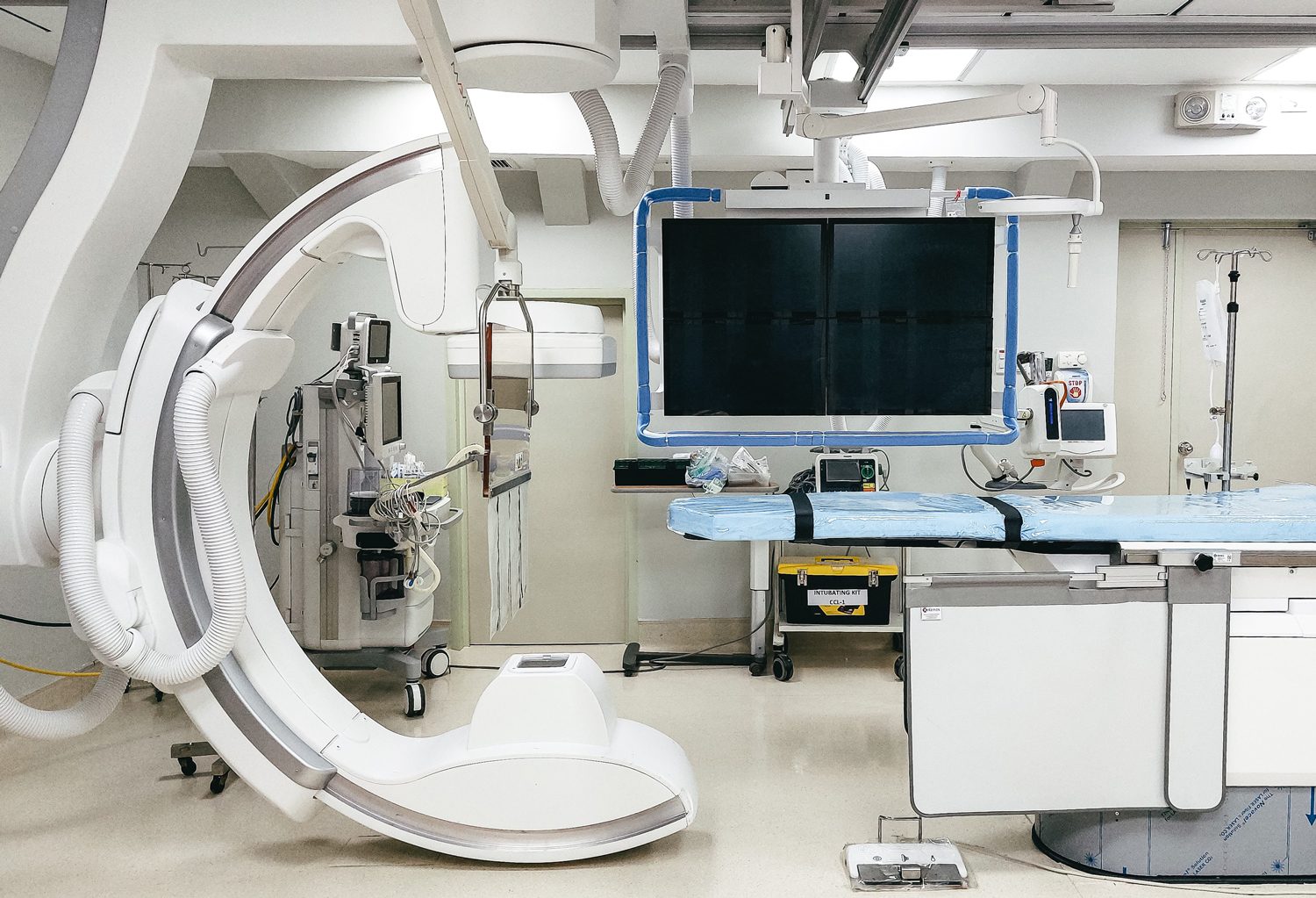
Modern cancer care often involves more than one specialty. Depending on the diagnosis, a patient may need medical oncology, surgical oncology, radiation oncology, radiology, pathology, nuclear medicine, genetics, rehabilitation, nutrition, pain management or palliative care. The sequence can matter as much as the treatment itself.
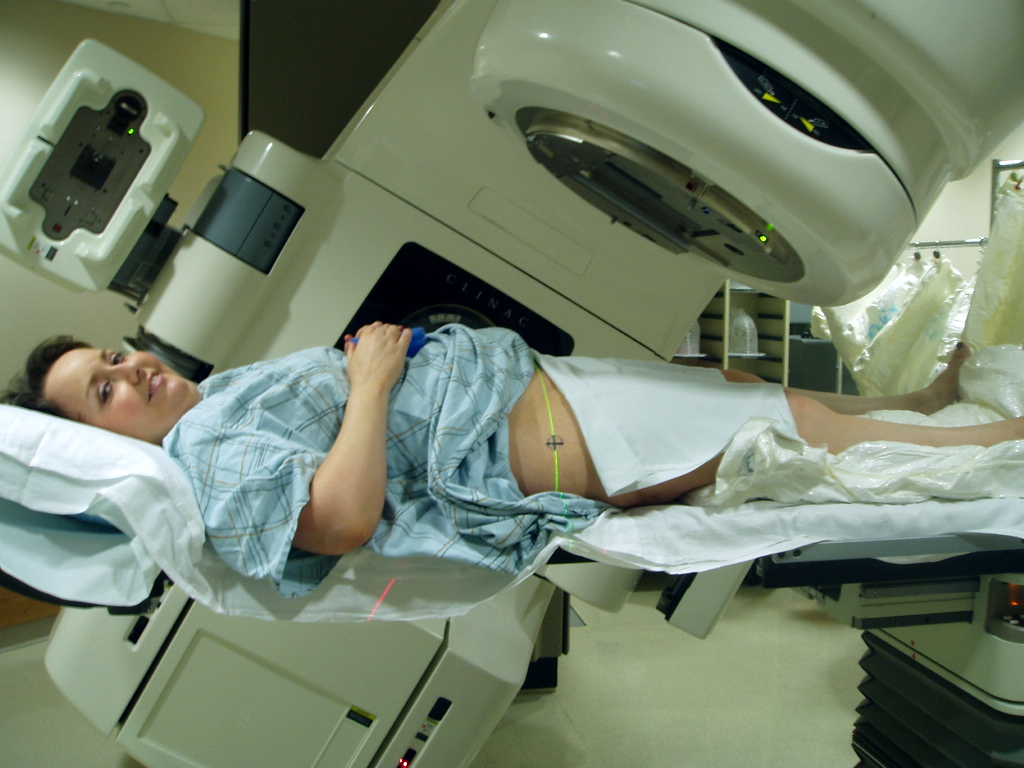
For example, surgery may be the main treatment for some localized solid tumours, while other cases may require systemic therapy or radiation before or after an operation. Some cancers may be treated with chemotherapy, targeted therapy, immunotherapy, hormonal treatment, radiation therapy or combinations of these approaches. The correct combination cannot be selected from a website package; it needs a case-specific clinical plan.
Documents that can prevent unnecessary delays
Pathology report and, when requested, pathology slides or tissue blocks.
Radiology reports plus original CT, MRI, PET/CT or other imaging files where available.
List of previous treatments, including drug names, doses or cycle dates when known.
Operation notes and discharge summaries for previous procedures.
Recent blood tests and relevant tumour-marker results.
Current medication list, allergies and significant medical conditions.
A concise timeline showing when symptoms began, when the diagnosis was made and what treatment has already occurred.
Questions to ask before accepting a treatment plan
Has the diagnosis been confirmed, and is a second pathology review recommended?
What is the stage or current extent of disease, and are additional tests required before treatment begins?
What is the goal of treatment: cure, disease control, symptom relief, or another objective?
What treatment options are reasonable, and why is the proposed option preferred?
What are the expected benefits, important risks and common side effects?
How long is the treatment expected to last, and which parts require the patient to remain in Türkiye?
What follow-up will be needed after returning home, and which tests can be performed locally?
Who should be contacted if complications or urgent symptoms develop after travel?
Plan for continuity of care before the first treatment starts
International cancer treatment should never be planned as a one-way journey. Some treatments require repeated cycles over weeks or months. Others require laboratory monitoring, wound review, imaging or medication adjustments after the patient returns home. Before travelling, clarify which parts of care must be completed in Türkiye and which can safely continue in the home country.
Ask how medical records will be shared, whether a treatment summary will be issued, what medicines need to travel with the patient and how urgent questions will be handled. If the patient already has an oncologist at home, good communication between the treating teams can reduce confusion and duplicated testing.
Travel should be adapted to the treatment - not the other way around
Cancer patients may be fatigued, immunocompromised, anaemic, at increased risk of infection or dealing with pain and nutritional problems. Fitness to fly and travel timing should therefore be discussed with the clinical team. A patient who has just undergone major surgery or a person receiving intensive systemic therapy may require a different travel plan from someone attending an outpatient consultation.
Accommodation should also reflect the treatment schedule. Easy access to the healthcare facility, a quiet recovery environment, mobility needs and the presence of a companion can all matter more than sightseeing convenience.
Palliative care is part of cancer care, not a sign that care has stopped
Palliative care focuses on preventing and relieving suffering and improving quality of life. It can address pain, nausea, breathlessness, fatigue, psychological distress and family support. It may be provided alongside active cancer treatment and is not limited to the final days of life.
For international families, discussing symptom control and supportive care early can make travel and treatment more manageable, especially when the patient has advanced disease or complex symptoms.
How Turquaz Health Can Coordinate the Process
Turquaz Health can help international patients organize their medical file, identify suitable options within its partner healthcare network, coordinate communication and appointments, and arrange related travel support when requested. The role is coordination: diagnosis, treatment recommendations and clinical decisions remain with licensed healthcare professionals.
For patients and families in Nigeria, local communication can begin before travel. This can help clarify documentation, timing and payment arrangements, including approved Naira payment options where applicable.
Medical information notice
This article is for general information and does not replace individual medical advice, diagnosis or treatment. Medical decisions should be made by appropriately qualified healthcare professionals after reviewing the individual patient.
Medical information notice
This article is for general information and does not replace individual medical advice, diagnosis or treatment. Medical decisions should be made by appropriately qualified healthcare professionals after reviewing the individual patient.
Your next step
Share your medical reports with Turquaz Health and we will organise a coordinated review within our licensed partner network. Diagnosis and treatment decisions always remain with the treating clinicians.
Get a free consultationEditorial references
- World Health Organization (WHO) - Cancer fact sheet and the role of diagnosis, treatment and palliative care.
- National Cancer Institute (NCI) - Overview of major cancer treatment types and patient questions.
- National Cancer Institute (NCI) - Questions patients can ask about treatment, specialists and second opinions.