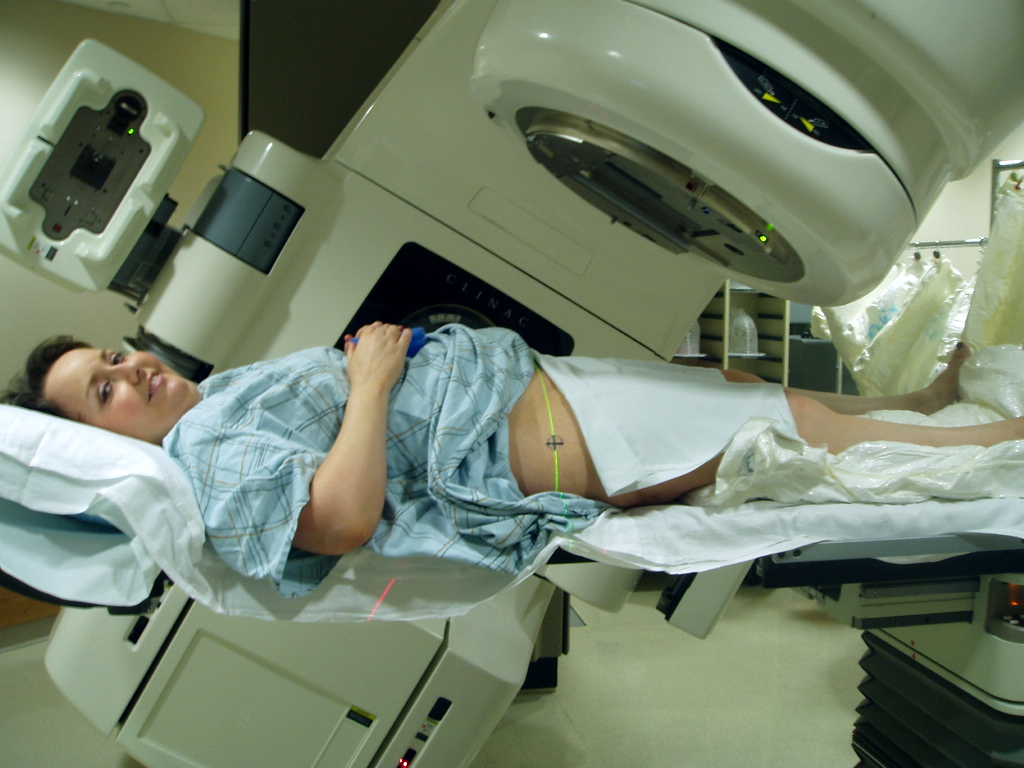

Cardiac care can mean very different things
An international patient may be travelling for a second opinion after an abnormal test, evaluation of chest pain, management of rhythm problems, investigation of heart failure, coronary angiography, an interventional procedure or major cardiac surgery. These are very different journeys with different time, risk and recovery requirements.
Before arranging travel, the receiving medical team should understand the clinical question. A patient with stable symptoms coming for an elective review can often plan differently from someone with recent severe chest pain, fainting, worsening breathlessness or a recent cardiac event. Urgent symptoms should be assessed locally rather than waiting for international travel.
Prepare the cardiac record in a way that can be reviewed quickly
Recent cardiology consultation notes and discharge summaries.
Electrocardiograms (ECGs) and rhythm-monitoring reports.
Echocardiography reports and, if available, image files.
Coronary angiography or CT coronary angiography reports and images when relevant.
Previous stress-test results.
Cardiac MRI or CT results if previously performed.
Current medication list, including blood thinners, blood-pressure medicines and diabetes medicines.
Recent blood tests, particularly kidney function and other results requested by the treating team.
A history of previous stents, bypass surgery, valve procedures or implanted cardiac devices.
Ask whether the visit is diagnostic, interventional or surgical
The expected length of stay depends heavily on the purpose of the visit. A diagnostic consultation with outpatient testing may require a relatively short stay. An invasive procedure or surgery can require hospital admission, observation and a recovery period before flying.
If the medical team believes a procedure may be needed, ask in advance which tests are required before the procedure, whether medication needs to be adjusted, what type of anaesthesia or sedation is expected and how many days should be reserved for hospital and post-discharge review.
Do not stop blood thinners or heart medicines on your own
Medication management around procedures is highly individual. Antiplatelet drugs, anticoagulants, blood-pressure medicines and diabetes medications can require specific instructions. Stopping or continuing the wrong medicine can create serious risks.
International patients should therefore bring a complete medication list and obtain clear written instructions from the treating team. If there is any language barrier, the medication plan should be translated or explained in a way the patient and accompanying family member can understand.
Recovery must be built into the travel itinerary
Major heart procedures do not end at hospital discharge. After coronary artery bypass surgery, for example, full recovery commonly takes weeks to months, and many patients are encouraged to participate in cardiac rehabilitation. Recovery time varies according to the procedure, the patient's age, other health conditions and whether complications occur.
Do not book a return flight based solely on the minimum hospital stay. Ask the treating team when the patient is expected to be fit to fly, whether wound review is required, what activity restrictions apply and whether a companion is needed during travel.
Cardiac rehabilitation and long-term risk reduction are part of treatment
Cardiac rehabilitation can include supervised or structured exercise, education, medication support and risk-factor management. Long-term care may also involve blood-pressure control, cholesterol management, diabetes control, smoking cessation, nutrition and physical activity.
If rehabilitation will continue at home, request a discharge and rehabilitation summary that local clinicians can use. This is especially important when a patient has undergone surgery, had a heart attack or received an intervention that changes medication.
Know the warning signs that require urgent local care
International coordination should never delay emergency treatment. New or severe chest pain, severe breathlessness, collapse, signs of stroke, uncontrolled bleeding or other acute symptoms require immediate local emergency assessment. A planned medical trip is appropriate only when the patient is medically stable enough to travel.
How Turquaz Health Can Coordinate the Process
Turquaz Health can coordinate the transfer of cardiac records for review, arrange appointments within its partner healthcare network and support the practical planning of an international cardiac journey. Where travel, accommodation or local transport is requested, these services can be aligned with the medical schedule rather than planned separately.
Clinical decisions, procedural eligibility, medication changes and fitness to fly must always be determined by the responsible healthcare professionals.
Medical information notice
This article is for general information and does not replace individual medical advice, diagnosis or treatment. Medical decisions should be made by appropriately qualified healthcare professionals after reviewing the individual patient.
Medical information notice
This article is for general information and does not replace individual medical advice, diagnosis or treatment. Medical decisions should be made by appropriately qualified healthcare professionals after reviewing the individual patient.
Your next step
Share your medical reports with Turquaz Health and we will organise a coordinated review within our licensed partner network. Diagnosis and treatment decisions always remain with the treating clinicians.
Get a free consultationEditorial references
- World Health Organization (WHO) - Cardiovascular disease overview, risk factors and prevention.
- NHS - General information on coronary artery bypass graft recovery.
- NHS - Cardiac rehabilitation and recovery after coronary heart disease.