Do not plan an orthopaedic procedure without planning recovery
International patients often focus on the operation date, but orthopaedic recovery can continue for weeks or months. Joint replacement, spinal procedures, fracture surgery, sports injuries and other musculoskeletal operations each have different rehabilitation needs.
A successful travel plan should therefore answer two questions at the same time: What treatment is being proposed? And what will the patient need in order to move safely and function after treatment?
Send images, not only radiology reports
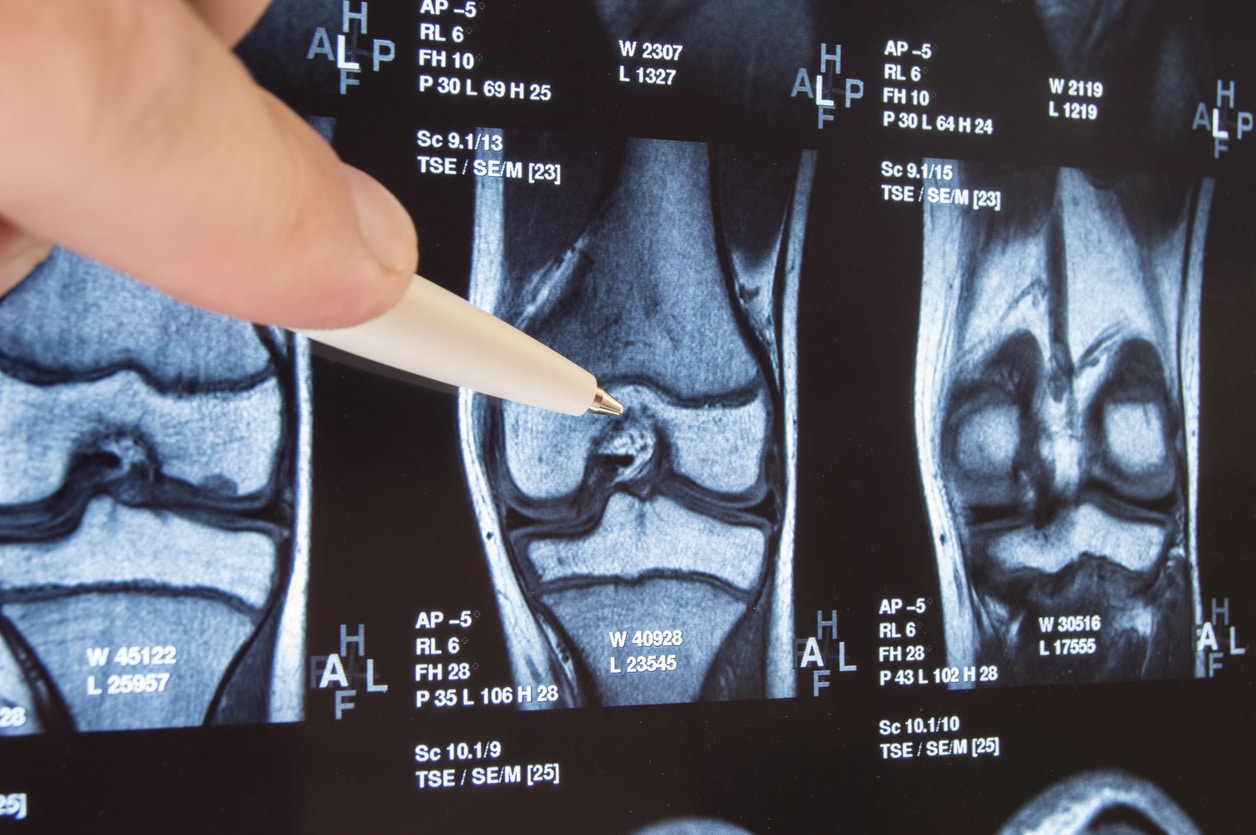
For many orthopaedic conditions, the surgeon needs to review the actual imaging rather than only the written report. Depending on the case, this may include X-rays, MRI, CT scans or other studies. If the patient has already had surgery, previous operative notes and implant information can also be important.
Original imaging files where available, preferably in standard medical image format.
Radiology reports and previous specialist assessments.
Previous surgery reports and implant details if applicable.
List of medications and relevant medical conditions.
Information about current mobility: walking distance, use of cane/crutches/walker, stairs and daily activities.
Description of pain, weakness, numbness or loss of function.
Previous physiotherapy and whether it helped.
Understand the alternatives and the reason for surgery
Not every orthopaedic problem requires an operation. Depending on the diagnosis, alternatives may include activity modification, medication, physiotherapy, injections, weight management or other conservative measures. A useful consultation should explain why surgery is being recommended, what alternatives exist and what the realistic goals are.
For joint replacement, patients should understand what symptoms the operation is expected to improve and what limitations may remain. For spine procedures, the discussion should distinguish pain relief, nerve decompression, stability and other objectives rather than treating all back pain as the same problem.
Early mobility and rehabilitation are not optional extras
Rehabilitation is an essential component of many orthopaedic pathways. International guidance describes rehabilitation as a set of interventions that helps optimize functioning and reduce disability. After procedures such as hip or knee replacement, physiotherapy commonly begins early and may focus on safe walking, joint movement, strength, swelling control and daily activities.
The patient should know before surgery when physiotherapy will begin, how frequently it is expected, whether walking aids will be needed and what exercises or restrictions apply after discharge.
Plan the hotel, transfers and flight around mobility
A patient leaving hospital with crutches or a walker needs a different travel plan from an ordinary tourist. Consider step-free access, lift availability, shower safety, bed height, distance from the healthcare facility and whether a companion can assist.
Airport assistance may need to be arranged. The treating team should also advise on return-flight timing and strategies to reduce travel-related risks. Patients should not assume they can fly home immediately after discharge simply because they are no longer staying in hospital.
Recovery timelines vary - avoid promising a fixed date
Recovery from hip or knee replacement can take several months, and the pace differs according to age, general health, surgical approach and rehabilitation progress. International patients should therefore avoid advertising-style promises such as “back to normal in a few days.”
A more useful approach is to define milestones: safe discharge, independent transfers, walking with an aid, wound review, ability to travel, transition to home physiotherapy and later functional goals.
Before returning home, ask for a rehabilitation handover
Operation summary and discharge report.
Implant details where relevant.
Wound-care instructions.
Medication plan, including pain medication and any blood-clot prevention prescribed.
Weight-bearing and movement restrictions.
Physiotherapy programme or exercise instructions.
Follow-up schedule and guidance on when new imaging is needed.
Clear instructions on symptoms that require urgent medical review.
How Turquaz Health Can Coordinate the Process
Turquaz Health can coordinate orthopaedic record review, appointments and practical arrangements for international patients. The travel plan can be adapted to mobility needs, anticipated recovery time and post-discharge follow-up rather than treating medical care and tourism as separate bookings.
All decisions about surgery, rehabilitation, walking restrictions, medication and fitness to travel remain with the responsible clinical team.
Medical information notice
This article is for general information and does not replace individual medical advice, diagnosis or treatment. Medical decisions should be made by appropriately qualified healthcare professionals after reviewing the individual patient.
Medical information notice
This article is for general information and does not replace individual medical advice, diagnosis or treatment. Medical decisions should be made by appropriately qualified healthcare professionals after reviewing the individual patient.
Your next step
Share your medical reports with Turquaz Health and we will organise a coordinated review within our licensed partner network. Diagnosis and treatment decisions always remain with the treating clinicians.
Get a free consultationEditorial references
- World Health Organization (WHO) - Role of rehabilitation in optimizing functioning and recovery.
- NHS - General recovery information after hip replacement.
- NHS - General recovery information after knee replacement.