What advanced physical rehabilitation means
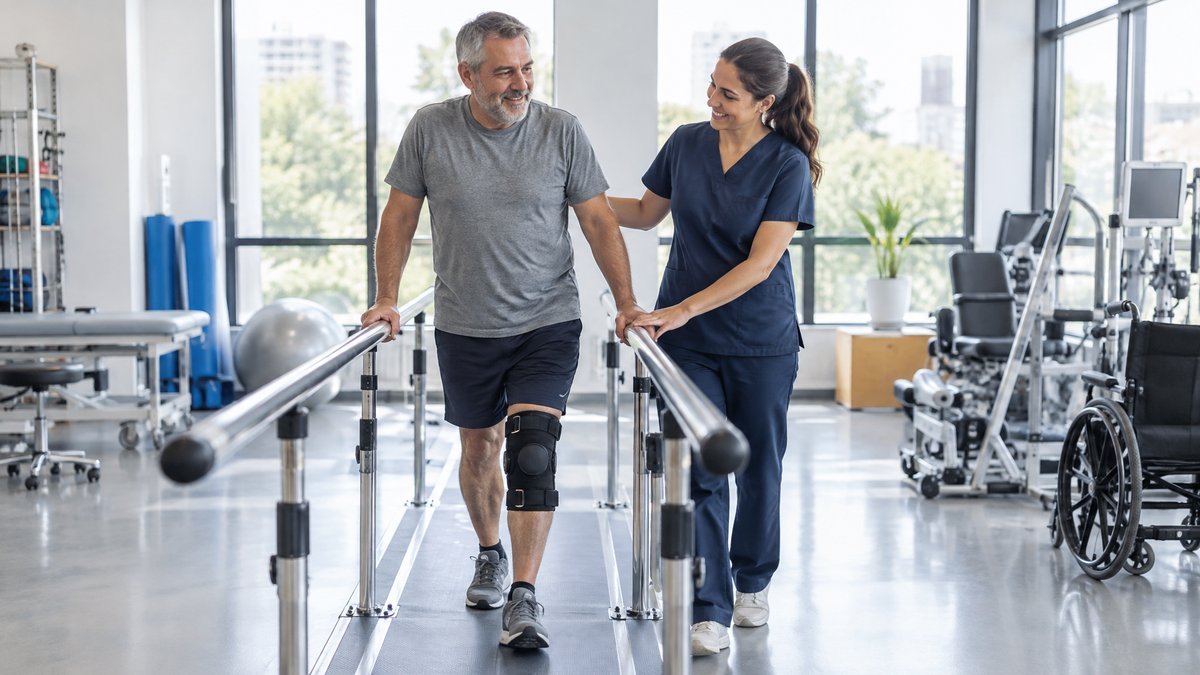
Physical rehabilitation is a structured, goal-based process that helps people regain movement, strength, balance and independence after illness, surgery or injury. "Advanced" or intensive rehabilitation usually refers to more frequent, multidisciplinary programmes delivered by a team that may include physiotherapists, occupational therapists, rehabilitation physicians and other specialists.
Rehabilitation is not a single treatment. It is an individualised programme built around the person's specific condition, current abilities and realistic goals, and it is reviewed and adjusted as progress is made.
Common reasons for intensive rehabilitation
International patients often consider structured rehabilitation after a stroke or other neurological event, after spinal or brain injury, after major orthopaedic surgery such as joint replacement, or following serious trauma or amputation. It can also support people living with progressive neurological conditions.
The type and intensity of rehabilitation that is appropriate depends on the diagnosis, the time since the event or surgery and the person's general health. A rehabilitation physician's assessment helps define what is realistic.
A programme should start with assessment and goals
A good rehabilitation pathway begins with an assessment that establishes the starting point and sets clear, measurable goals, such as improving walking, regaining the use of a limb, managing daily activities or preparing to use a prosthesis. These goals guide the programme and allow progress to be measured.
For international patients, the first step is a review of medical records so the rehabilitation team can understand the diagnosis, previous treatment and current status before recommending a programme length and intensity.
Prepare the rehabilitation record
Hospital discharge summaries and operation notes where relevant.
Neurology, orthopaedic or other specialist reports.
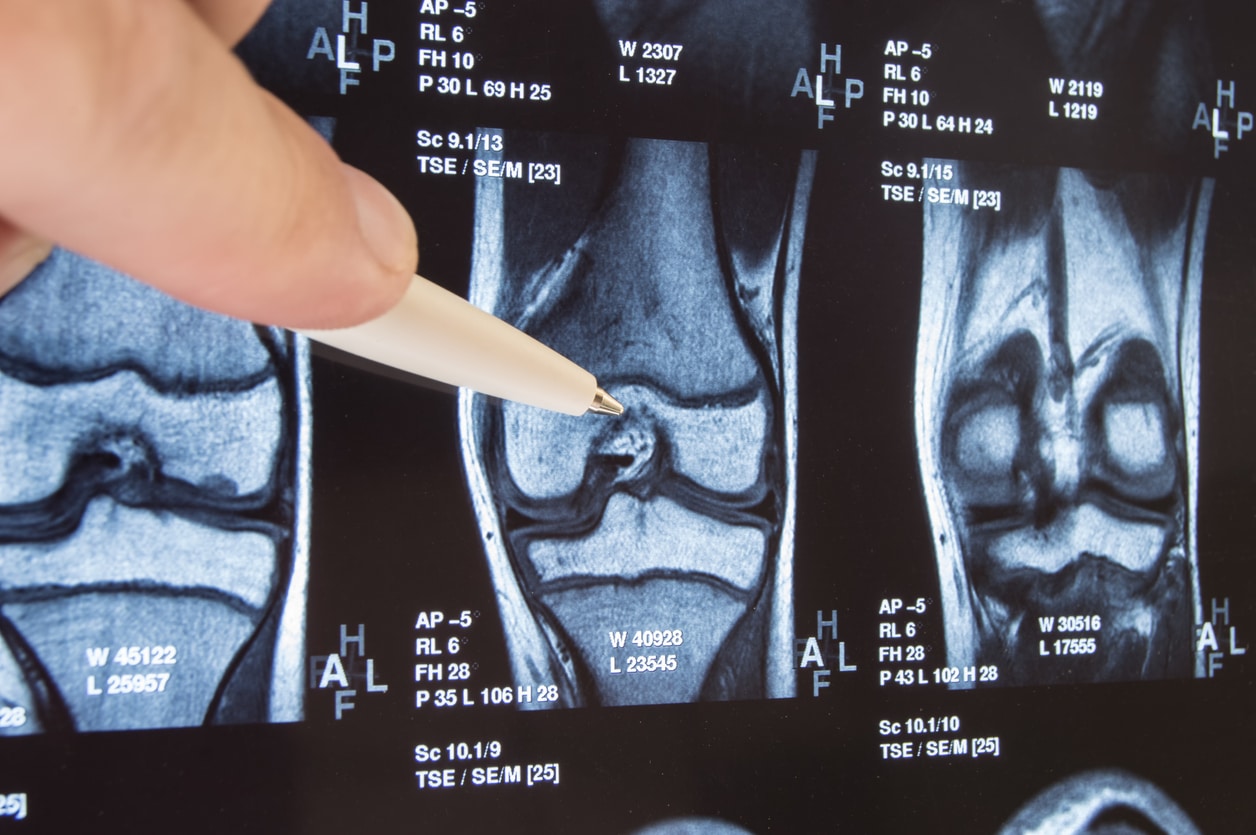
Recent imaging reports and image files where available.
Details of current mobility, daily function and any assistive devices used.
A current medication list.
Any previous physiotherapy or rehabilitation reports and progress notes.
Plan for length of stay and family involvement
Intensive rehabilitation is often delivered over a sustained period rather than in a single visit, so length of stay is an important planning question. The expected duration should be discussed in advance, along with how progress will be reviewed and when the programme might be adjusted.
Family involvement can be valuable. A companion can support daily routines, learn techniques to help at home and take part in education provided by the team. For longer stays, accommodation and the companion's needs should be planned from the start.
Continuity of care after returning home
Rehabilitation gains are best maintained when there is a plan to continue appropriate exercises and therapy at home. Before leaving Türkiye, patients should request a rehabilitation summary, a home exercise plan and clear guidance on what local follow-up is recommended.
Where possible, the receiving team and any local therapists should be able to communicate so the programme continues safely. This is especially important for neurological rehabilitation and after major surgery.
How Turquaz Health Can Coordinate the Process
Turquaz Health can coordinate the transfer of records for rehabilitation assessment, arrange appointments within its licensed partner network and support the practical planning of an extended rehabilitation stay, including accommodation and transport aligned with the therapy schedule.
The rehabilitation plan, its intensity and all clinical decisions are determined by the responsible rehabilitation professionals.
Medical information notice
This article is for general information and does not replace individual medical advice, diagnosis or treatment. Medical decisions should be made by appropriately qualified healthcare professionals after reviewing the individual patient.
Medical information notice
This article is for general information and does not replace individual medical advice, diagnosis or treatment. Medical decisions should be made by appropriately qualified healthcare professionals after reviewing the individual patient.
Your next step
Share your medical reports with Turquaz Health and we will organise a coordinated rehabilitation assessment within our licensed partner network. The programme and clinical decisions always remain with the treating clinicians.
Get a free consultationEditorial references
- World Health Organization (WHO) - Rehabilitation fact sheet.
- NHS - Physiotherapy and rehabilitation overview.
- World Health Organization - Rehabilitation 2030 initiative.