Prosthetic care is a pathway, not a single product
A prosthesis is an artificial limb that replaces a missing part of the body. Good prosthetic care is not simply the supply of a device; it is a pathway that includes assessment, preparation of the residual limb, selection and fitting of an appropriate prosthesis, and training to use it effectively.
The right prosthesis depends on many factors, including the level of amputation, the condition of the residual limb, the person's general health and their goals, whether that is walking independently, returning to work or taking part in sport.
Different goals, different solutions
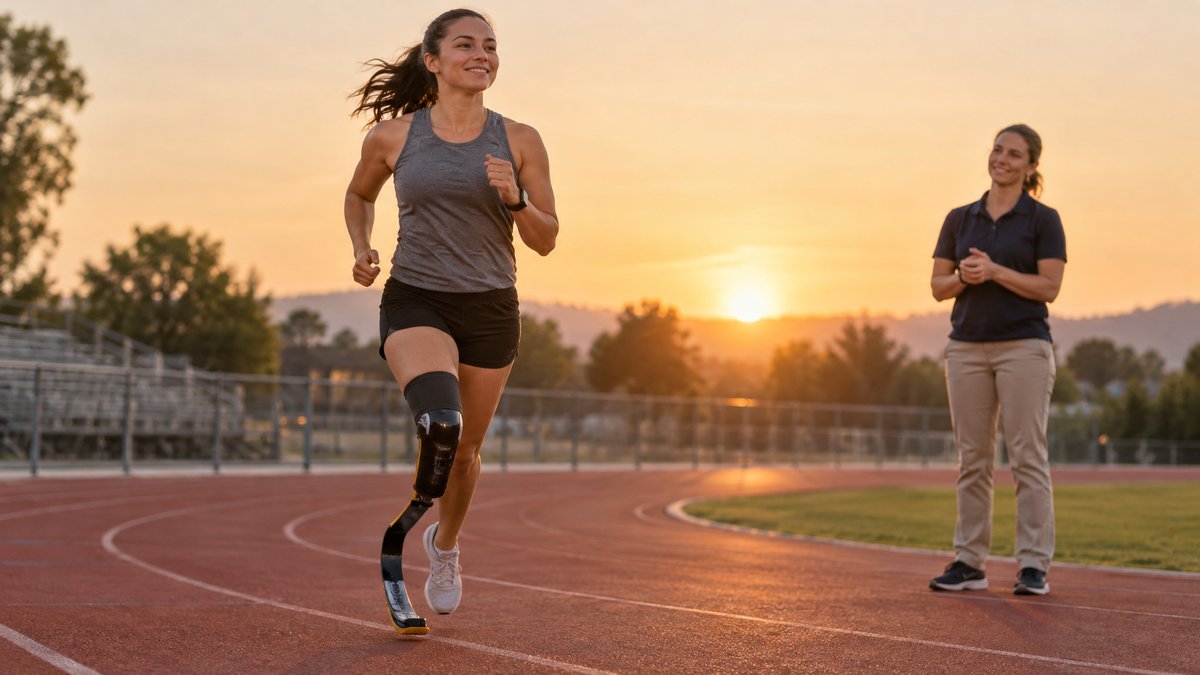
Prosthetic needs vary widely. Many people want a reliable everyday prosthesis for mobility and daily activities. Athletes and active individuals may be interested in specialised sports prosthetics, such as running blades designed for high-impact activity. People with other disabilities and veterans who have experienced limb loss may have specific functional goals and support needs.
Specialised sports prosthetics are designed for particular activities and are usually considered alongside, not instead of, an everyday prosthesis. What is appropriate is decided with the prosthetic and rehabilitation team based on individual assessment.
Assessment comes first
Prosthetic planning begins with a clinical assessment of the residual limb, overall health and mobility goals. Timing matters: after an amputation, the limb needs time to heal and settle before a definitive prosthesis is fitted, and an interim approach is sometimes used.
For international patients, the first step is a review of medical records and, where relevant, photographs or reports describing the residual limb, so the team can advise on suitability, likely options and the expected pathway before travel is arranged.
Prepare the record for prosthetic assessment
The cause and date of amputation and the level of limb loss.
Operation notes and hospital discharge summaries.
Information about the condition and healing of the residual limb.
Details of any current or previous prosthesis and how well it worked.
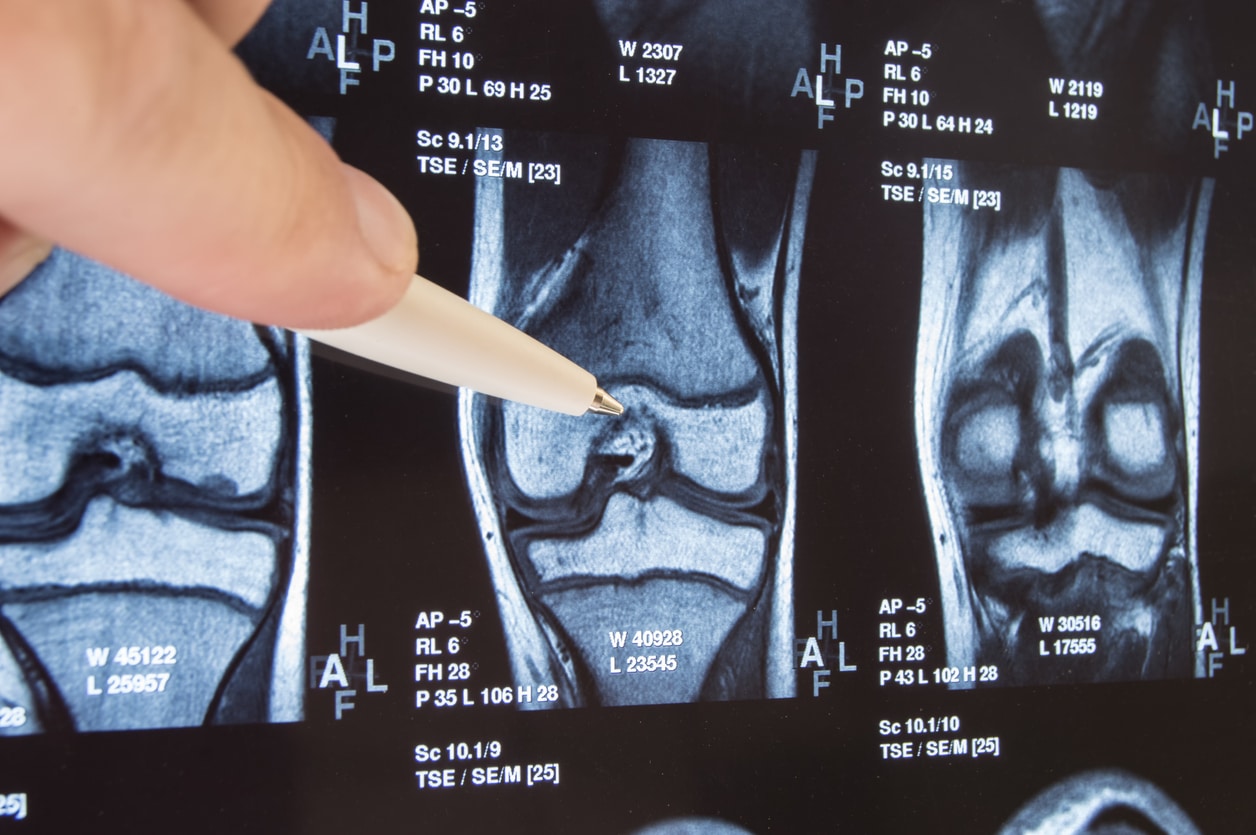
Relevant imaging reports where available.
A current medication list and other significant medical history, such as diabetes or circulation problems.
Clear mobility goals, including any sporting or occupational aims.
Fitting and training take time
Receiving a prosthesis is followed by a period of fitting, adjustment and rehabilitation training. Learning to use a prosthesis safely and confidently, particularly for walking or sport, requires practice with a rehabilitation team and may involve several adjustments.
International patients should plan for this. Ask in advance how many visits or how much time is likely to be needed, whether the residual limb is expected to change in size during the early period and how adjustments will be handled.
Follow-up, maintenance and future adjustments
A prosthesis needs ongoing care. Components wear over time, the residual limb can change and periodic adjustments or replacements of parts may be required. Before leaving Türkiye, patients should understand the maintenance needs, warranty or service information and how future adjustments can be managed, including what can be done locally at home.
A clear rehabilitation and follow-up summary helps local clinicians support the patient after they return home, and helps plan any future review visits.
How Turquaz Health Can Coordinate the Process
Turquaz Health can coordinate the transfer of records for prosthetic and rehabilitation assessment, arrange appointments within its licensed partner network and support the practical planning of the stay, including accommodation and transport aligned with the fitting and training schedule.
The choice of prosthesis, the fitting process and all rehabilitation decisions are determined by the responsible prosthetic and rehabilitation professionals.
Medical information notice
This article is for general information and does not replace individual medical advice, diagnosis or treatment. Medical decisions should be made by appropriately qualified healthcare professionals after reviewing the individual patient.
Medical information notice
This article is for general information and does not replace individual medical advice, diagnosis or treatment. Medical decisions should be made by appropriately qualified healthcare professionals after reviewing the individual patient.
Your next step
Share your medical reports and mobility goals with Turquaz Health and we will organise a coordinated prosthetic and rehabilitation assessment within our licensed partner network. All clinical decisions remain with the treating clinicians.
Get a free consultationEditorial references
- World Health Organization (WHO) - Prosthetics and orthotics standards.
- World Health Organization - Rehabilitation fact sheet.
- International Committee of the Red Cross (ICRC) - Physical rehabilitation and prosthetic services overview.