What a cardiac pacemaker does
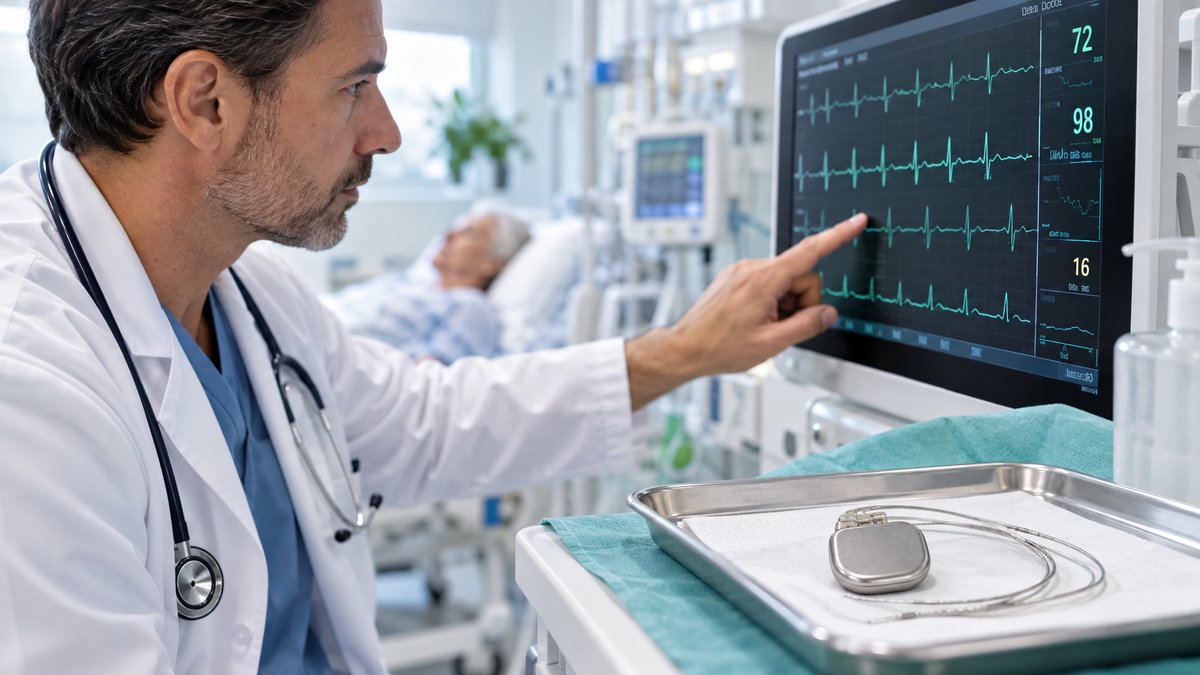
A cardiac pacemaker (in Turkish, kalp pili) is a small implanted device that helps regulate the heartbeat in people whose heart rhythm is too slow or irregular. It monitors the heart and delivers small electrical signals when needed to maintain an appropriate rhythm.
Pacemakers are one of several cardiac rhythm devices. Others include implantable cardioverter-defibrillators (ICDs) and cardiac resynchronisation therapy (CRT) devices, which are used for different heart conditions. The right device, if any, depends entirely on the individual diagnosis.
Candidacy is decided by a cardiology assessment
The need for a pacemaker or rhythm device is established through cardiology assessment, which may include electrocardiograms, rhythm monitoring over time, echocardiography and other tests. Symptoms such as fainting, dizziness, extreme fatigue or a very slow pulse can prompt this evaluation, but the decision is based on objective findings, not symptoms alone.
For international patients, the first step is a review of cardiac records to understand whether a device is already recommended, whether further testing is needed or whether the visit is for a second opinion. Urgent symptoms should always be assessed locally without waiting for international travel.
Prepare the cardiac record for efficient review
Recent cardiology consultation notes and any discharge summaries.
Electrocardiograms (ECGs) and any rhythm-monitoring or Holter reports.
Echocardiography reports and image files where available.
Details of fainting, palpitations or other rhythm-related symptoms.
A complete current medication list, including any blood thinners.
Records of any previous cardiac devices, stents or heart surgery.
Recent blood tests, particularly those requested by the treating team.
Understand the procedure and hospital stay
Device implantation is a specialised procedure, usually followed by a short period of observation and checks to confirm the device is functioning correctly. The expected length of hospital stay and recovery depends on the type of device, the reason for implantation and the patient's overall condition.
If a procedure is anticipated, international patients should ask in advance which tests are required beforehand, whether any medication needs to be adjusted, how long they should plan to stay and when they are likely to be fit to fly.
Devices need lifelong follow-up
Cardiac rhythm devices require ongoing monitoring. Battery life, lead function and device settings are checked periodically, and settings can be adjusted. Some devices support remote monitoring, but arrangements must be made for how this will continue in the patient's home country.
Before leaving Türkiye, patients should obtain a device identification card and full documentation, confirm the follow-up schedule and understand which local services can perform device checks after returning home.
Everyday precautions after implantation
Patients with an implanted device are usually given guidance on wound care in the early period, on activity restrictions during healing and on specific precautions around strong electromagnetic sources. They should also know which symptoms require prompt medical attention.
Carrying device documentation is important for future medical care and for airport security. The treating team should provide clear written instructions tailored to the specific device.
How Turquaz Health Can Coordinate the Process
Turquaz Health can coordinate the transfer of cardiac records for review, arrange appointments within its licensed partner network and support the practical planning of an international cardiac journey, aligning travel and accommodation with the medical schedule.
Device candidacy, the choice of device, the procedure and all follow-up decisions are determined by the responsible cardiology professionals.
Medical information notice
This article is for general information and does not replace individual medical advice, diagnosis or treatment. Medical decisions should be made by appropriately qualified healthcare professionals after reviewing the individual patient.
Medical information notice
This article is for general information and does not replace individual medical advice, diagnosis or treatment. Medical decisions should be made by appropriately qualified healthcare professionals after reviewing the individual patient.
Your next step
Share your cardiac reports with Turquaz Health and we will organise a coordinated review within our licensed partner network. Device and treatment decisions always remain with the treating clinicians.
Get a free consultationEditorial references
- World Health Organization (WHO) - Cardiovascular disease overview.
- NHS - Pacemaker implantation information for patients.
- NHS - Implantable cardioverter defibrillators (ICD) overview.