What deep brain stimulation is
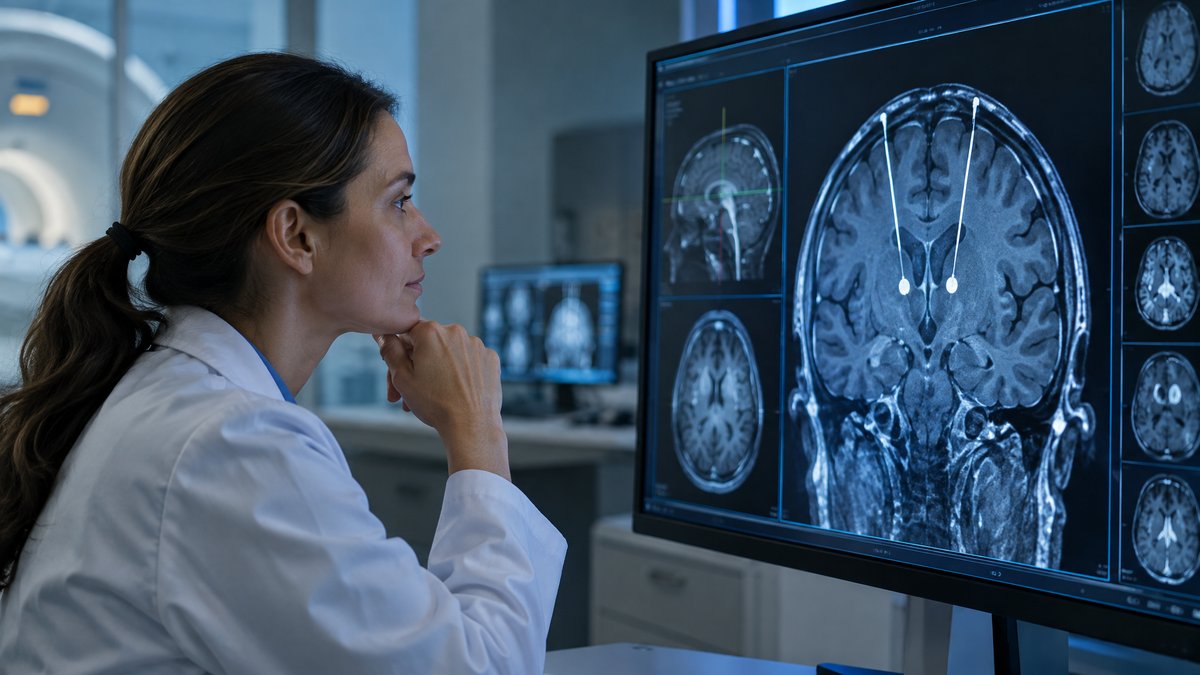
Deep brain stimulation (DBS) is a neurosurgical therapy in which thin electrodes are placed in specific areas of the brain and connected to a small implanted device, similar in concept to a cardiac pacemaker, that delivers controlled electrical pulses. Because of this similarity, it is often informally called a "brain pacemaker". The device is programmed and adjusted by a specialist team over time.
DBS does not cure Parkinson's disease and it is not suitable for everyone. For carefully selected patients, it can help reduce certain motor symptoms such as tremor, stiffness and involuntary movements, and may allow adjustments to medication. The decision to offer DBS depends on a detailed neurological assessment.
Which conditions it may be considered for
DBS is most commonly discussed in the context of Parkinson's disease, but it is also used for selected cases of essential tremor and certain other movement disorders. The suitability of the therapy depends on the specific diagnosis, how symptoms respond to medication and the person's overall health.
A key point is that DBS is a specialist decision made by a neurology and neurosurgery team, usually after a structured evaluation. It is not a treatment a patient should assume is appropriate simply because symptoms are difficult to control.
Assessment comes before any travel plan
Candidacy for DBS is normally established through a combination of neurological examination, review of the response to Parkinson's medication, brain imaging and, in many centres, cognitive and psychological assessment. This evaluation helps determine whether the potential benefits are likely to outweigh the risks for that individual.
For international patients, this means the first step is a remote review of medical records rather than booking surgery. A responsible pathway includes confirming the diagnosis, reviewing current treatment and establishing whether an in-person assessment is required before any decision about surgery.
Prepare a clear neurological record
Neurology consultation notes and the confirmed diagnosis.
A full list of current medications, including doses and timing, especially Parkinson's medication.
Details of how symptoms change with and without medication.
Previous brain imaging (MRI or CT) reports and image files where available.
Any records of previous neurological procedures or other significant medical history.
Information about memory, mood or cognitive changes, which can be relevant to candidacy.
Understand the procedure pathway and recovery
When DBS is performed, it typically involves implanting the electrodes and the pulse-generator device, followed by a period of programming in which the stimulation settings are adjusted. Several follow-up sessions are often needed to optimise the settings, and medication may be reviewed during this period.
Because programming and adjustment continue after the initial procedure, international patients should discuss in advance how follow-up will be handled, how long they may need to remain nearby and what ongoing monitoring will be required after returning home.
Realistic expectations matter
DBS can help certain symptoms in suitable patients, but results vary from person to person and the therapy does not stop the underlying progression of Parkinson's disease. A trustworthy medical pathway sets honest expectations rather than promising a specific outcome.
Patients should be cautious of any promise of guaranteed results. The appropriate benefit, risks and alternatives can only be discussed meaningfully after a full specialist assessment of the individual.
How Turquaz Health Can Coordinate the Process
Turquaz Health can coordinate the transfer of neurological records for specialist review, arrange assessment appointments within its licensed partner network and support the practical planning of the journey, including travel and accommodation aligned with the medical schedule.
Candidacy for deep brain stimulation, surgical decisions, device programming and medication changes are always determined by the responsible neurology and neurosurgery professionals.
Medical information notice
This article is for general information and does not replace individual medical advice, diagnosis or treatment. Medical decisions should be made by appropriately qualified healthcare professionals after reviewing the individual patient.
Medical information notice
This article is for general information and does not replace individual medical advice, diagnosis or treatment. Medical decisions should be made by appropriately qualified healthcare professionals after reviewing the individual patient.
Your next step
Share your neurology reports with Turquaz Health and we will organise a coordinated specialist review within our licensed partner network. Candidacy and treatment decisions always remain with the treating clinicians.
Get a free consultationEditorial references
- National Institute of Neurological Disorders and Stroke (NINDS) - Deep brain stimulation overview.
- NHS - Deep brain stimulation information for patients.
- World Health Organization - General information on Parkinson's disease.